The Project

TEIDe is working to make dementia prevention more personalized in primary care by turning scientific evidence on physical exercise and cognitive health into practical tools for earlier risk identification and targeted prevention.

The challenge

Dementia prevention requires earlier, more personalized action that is both scientifically grounded and applicable in real-world practice.

The approach

The TEIDe

approach

TEIDe addresses this challenge by connecting research, healthcare, and practical implementation. The project brings together risk prediction, personalization of exercise-based interventions, investigation of biological mechanisms, and clinical feasibility, with the goal of turning prevention into a pathway that is more precise, scalable, and useful for patients, families, and professionals.

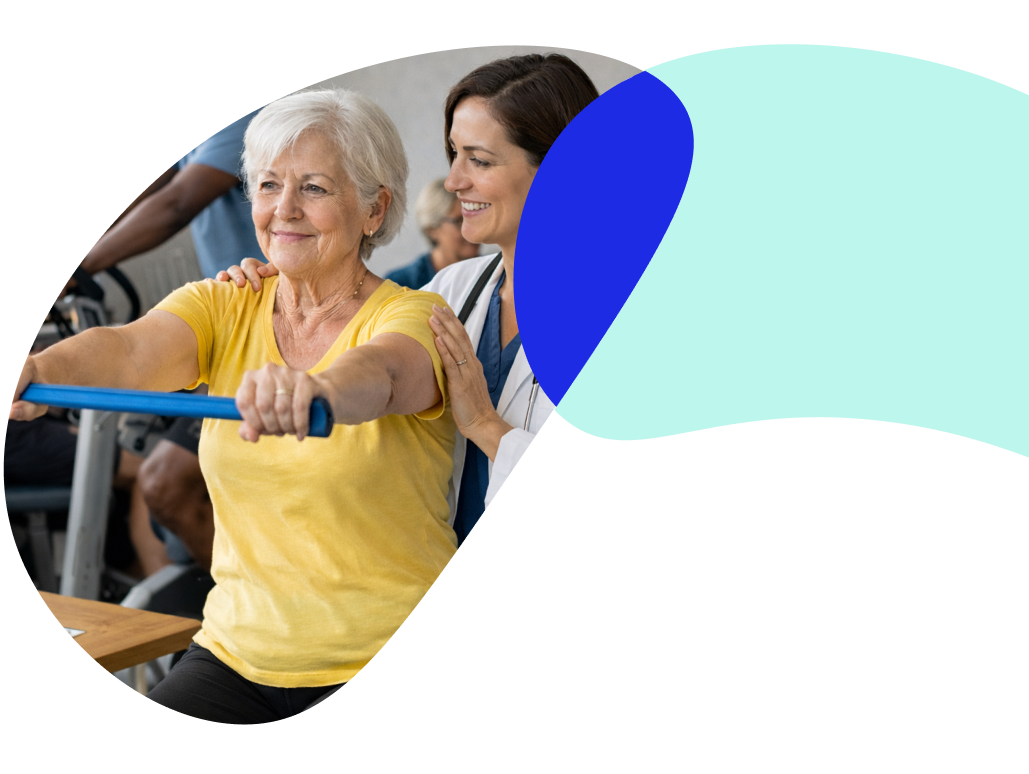
Earlier risk identification

Personalized exercise strategies

Involvement of people and caregivers

Real-world clinical application

Research questions

Four questions

guide the project

TEIDe is structured around four complementary and integrated lines of work, designed to connect scientific knowledge with practical implementation.

Risk prediction

How can dementia risk be identified more accurately and at an earlier stage?

What we do: Develop and refine dementia risk prediction models using large-scale cohort data.

01.

Precision exercise

Which types and doses of exercise work best based on individual characteristics?

What we do: Synthesize evidence from exercise intervention trials to inform tailored prescriptions.

02.

Biological and behavioral mechanisms

Why, and through which processes, can exercise influence cognitive health?

What we do: Investigate how exercise reshapes the brain, studying neuroplasticity, inflammatory biomarkers, and structural brain changes across intervention trials.

03.

Translation into primary care

Can this approach be effectively applied in real-world primary care settings?

What we do: Test feasibility and workflows in primary healthcare through a real-world pilot.

04.

TEIDe connects research and practice within one integrated pathway.

Scientific evidence

A solid

scientific foundation

TEIDe builds on a broad and robust existing evidence base. The project uses data from large cohort studies involving more than 3 million individuals, as well as exercise-based randomized clinical trials including middle-aged and older adults with different cognitive profiles. This enables the Consortium to build on established knowledge while focusing on its practical translation into healthcare services.

From research to primary care

A bridge between research and care through a more personalized and practice-oriented approach to preventing cognitive decline.

Outputs and impact

What TEIDe

aims to deliver

The project is designed to generate useful and applicable outputs that can support professionals, patients, and healthcare systems.

Dementia risk scores

Tools to support earlier and more reliable risk identification.

01.

Exercise prescription algorithms

Models to guide more targeted and personalized prevention strategies.

02.

User-friendly manuals

Practical materials designed to be clear, understandable, and usable.

03.

Implementation resources

A scalable implementation protocol for primary care centres across Europe.

04.

Evidence-based tools for dementia prevention.

The value of collaboration

A multidisciplinary

collaboration

TEIDe is built on collaboration between partners with complementary expertise in research, healthcare, innovation, and stakeholder engagement. This multidisciplinary network is what makes it possible to turn scientific evidence into practical and applicable solutions.

Discover the Consortium

The value of collaboration

A multidisciplinary

collaboration

TEIDe is built on collaboration between partners with complementary expertise in research, healthcare, innovation, and stakeholder engagement. This multidisciplinary network is what makes it possible to turn scientific evidence into practical and applicable solutions.

Discover the Consortium